
Residential Mold Removal
Residential mold removal covers mold in houses and condos, from a single room to several areas, handled by a local crew.
See residential mold removalGet a clear plan in Century City for visible growth, musty odor or moisture damage. It should cover containment, cleaning, drying and the water source.
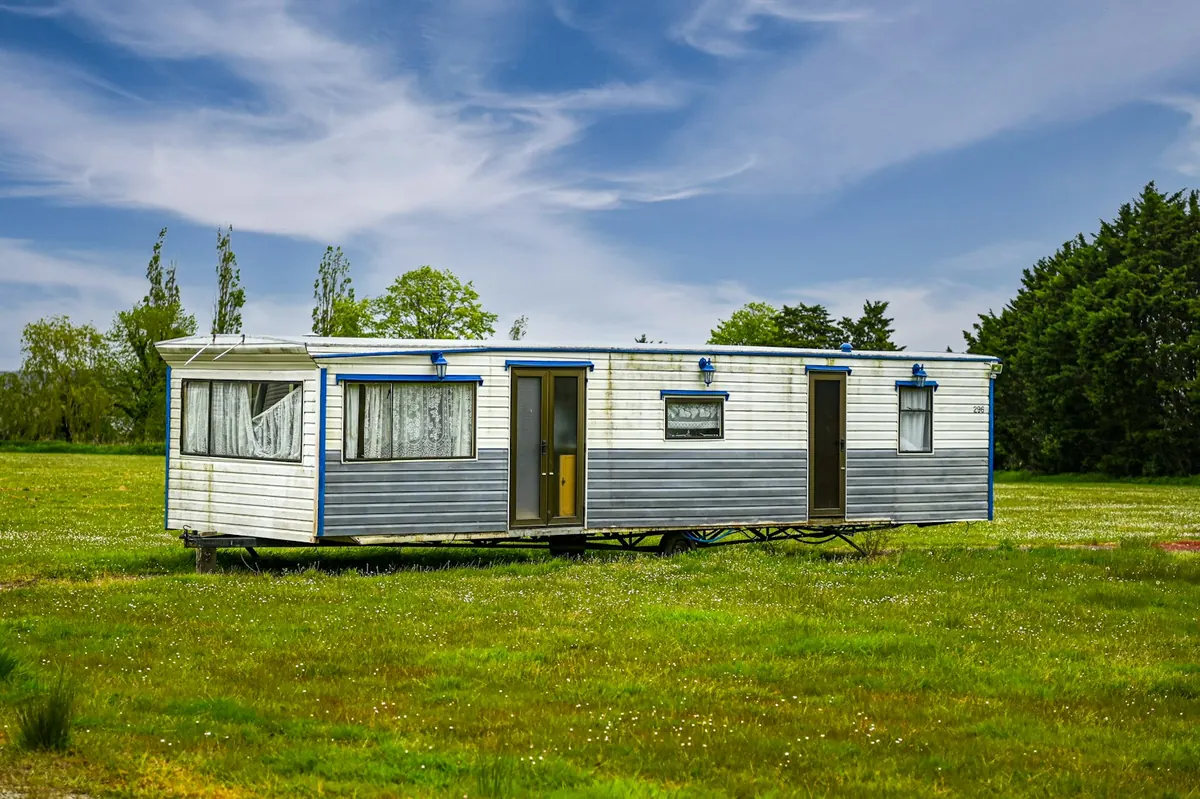
Inspection, containment, removal, cleanup, drying and moisture correction are part of the work.
Tight cavities may conceal water damage. A plumbing, roof or window leak may leave insulation, panels, the underbelly or subfloor wet. Check where moisture extends behind visible surfaces.
Removal limits, drying, cleaning and repairs are identified in the scope of work. Possible parts include skirting, the vapor barrier, an HVAC duct and the belly board.
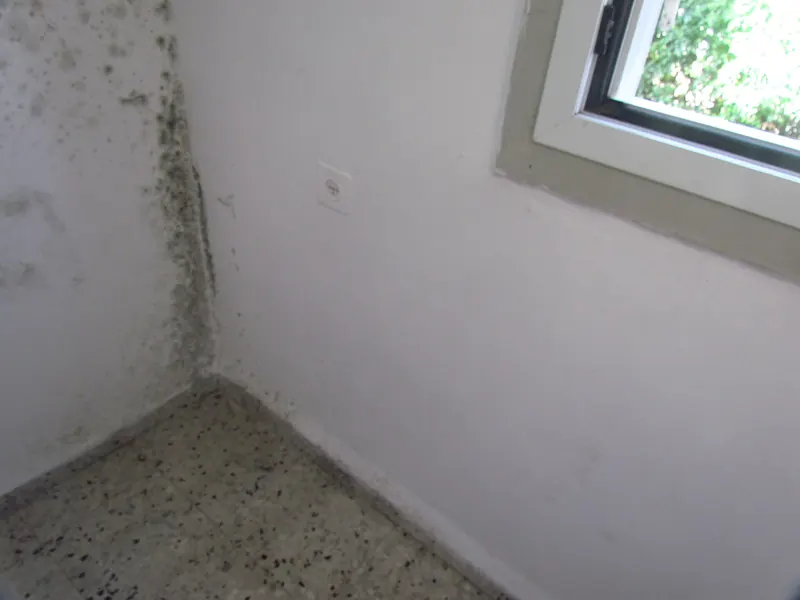
Barriers need to separate your occupied space from the work zone.
Address damp spaces before repairs seal the cavity.
Choose an assessor separate from the removal company when clearance testing is used.
The scope should list cleaning, removals, drying, repairs and steps for hidden growth.
Help is appropriate for extensive or hidden growth and when contamination involves water or a nearby HVAC system.
Avoid spreading mold by keeping the affected HVAC system turned off.
A torn belly board or leak can leave wet insulation above the subfloor.
One roof leak may leave both panels and insulation wet. Dry damaged items within 24 to 48 hours to prevent growth.
Trim stains and softened panels may reveal where water entered. Moisture readings show its reach.
You should document the problem, avoid disturbing mold and stop safely accessible water.
Call (844) 352-3560This property type has no separate listing in Fixr. Its general guide for mold remediation reports $1,500 to $9,000 across the nation. For professional work covering more than about 10 square feet, it reports $10 through $30 for every square foot. Those amounts are not a quote.
These ranges come from published national cost guides, not from a site visit. Following an on-site assessment, the property price should be explained to you before any work begins.
Ask about cost: (844) 352-3560Coverage varies with the water source and policy terms. Insurers may treat sudden events differently than leaks that persist over time.
California's Toxic Mold Protection Act includes a landlord written-disclosure section (Health and Safety Code 26147). By its own wording it applies only after the state adopts mold exposure standards, and the state health department has said it could not set them. Keep inspection and repair records with the property file.
Your file should include repair records, the scope, moisture readings and photographs.
Promptly report any sudden water event. Ask how the deductible, sublimit and cause apply.
Under California's housing law, visible mold found by a health officer or code enforcement officer can make a rental substandard. Renters can contact their local health or code enforcement department to ask for an inspection. Report leaks promptly and keep dated records.
From the initial inspection to final cleanup, the process tracks moisture. The plan depends on access and which materials are affected.
Check under-floor areas along with past leaks and visible growth. To guide checks, use thermal imaging camera readings with a moisture meter, knowing neither can identify mold.
HEPA filtration works with negative air pressure and poly sheeting to protect unaffected spaces.
You may need to bag and remove moldy carpet, insulation, drywall and panels.
Clean sound framing and non-porous surfaces. Antimicrobial treatment cannot substitute for cleaning.
Dry the area and correct moisture before rebuilding.
Use an independent assessor for clearance testing when it is appropriate.

Phone at any hour. Your call reaches a mobile home mold removal specialist who hears your concerns and explains the process ahead.
Contaminated water, porous material and confined cavities can make the cleanup harder.
A surface can appear dry while concealing wet insulation or subfloor materials. Moisture readings guide the work.
Containment, negative air pressure and a HEPA air scrubber control dust and mold spores.
Contaminated water and sewage require help from someone with relevant experience.
Can you clean it yourself? According to EPA, homeowners may often clean areas measuring under about 10 square feet. Get professional help for larger areas, HVAC involvement or contaminated water.
Cleanable hard materials may stay. Porous materials with mold may be removed.

Timing depends on moisture spread, access, removal, drying and leak repair. Inspection sets the schedule.
A musty smell may point to damp insulation or a hidden cavity, but it does not define the affected area. Trace moisture instead of masking odor.
Keep your relative humidity under 60 percent, ideally at 30 to 50 percent, following EPA guidance. Using a dehumidifier still leaves the leak unrepaired.

The full mobile home mold removal guide covers what is cleaned or removed, odor and air quality work, and the rules that apply in California and Los Angeles County.
Read the full mobile home mold removal guidePlanning for moisture control, containment and mold cleanup can be influenced by local humidity, housing and property access.
For a home in the Century City neighborhood, a musty odor or stain should be traced through connected materials before the visible surface is cleaned.
Your property needs a moisture-specific plan that follows the leak into nearby walls, floors, ceilings, insulation, or framing before removal limits are set.
You can ask about mold cleanup in nearby communities and ZIP codes during the call.
Residential mold removal covers mold in houses and condos, from a single room to several areas, handled by a local crew.
See residential mold removal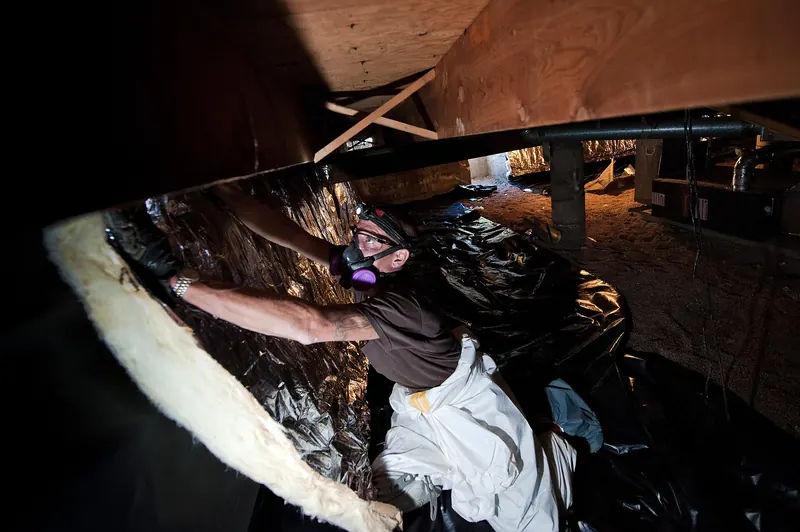
Crawl space mold removal clears growth from insulation, joists and subfloor beneath the house, then addresses the moisture supporting it.
See crawl space mold removal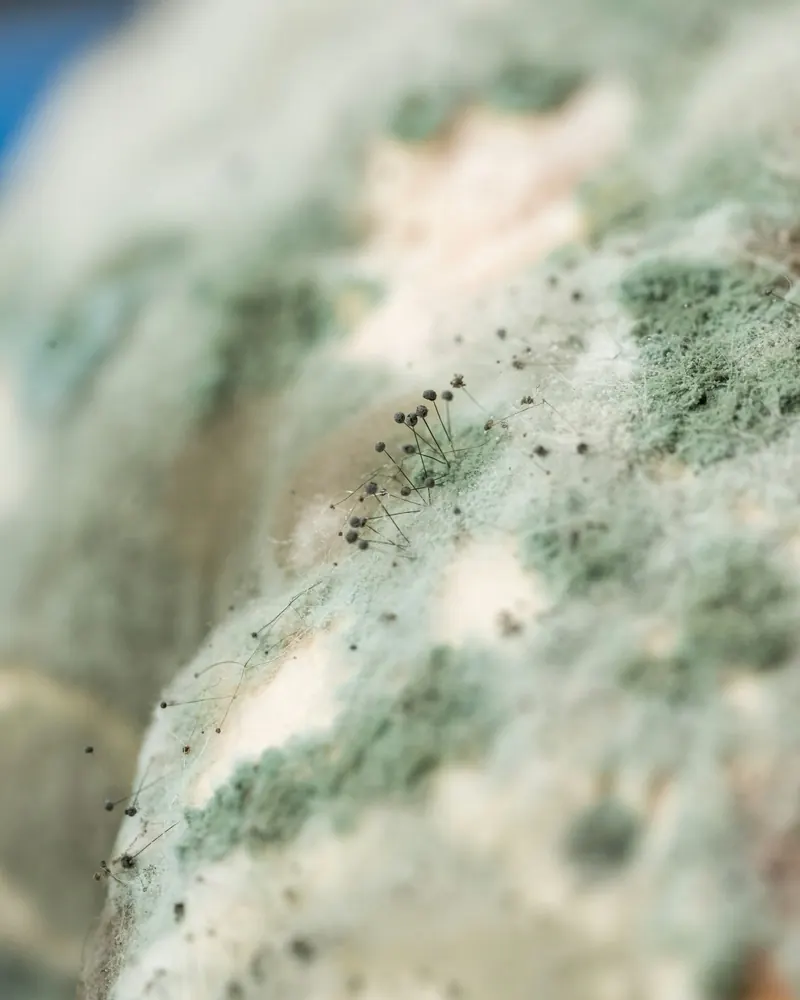
Floor and subfloor mold removal cleans or replaces moldy carpet, flooring and subfloor and fixes the moisture source below.
See floor and subfloor mold removal
Damaged wallboard is cut away during drywall mold removal, the interior framing is cleaned and new material replaces what was removed.
See wall and drywall mold removal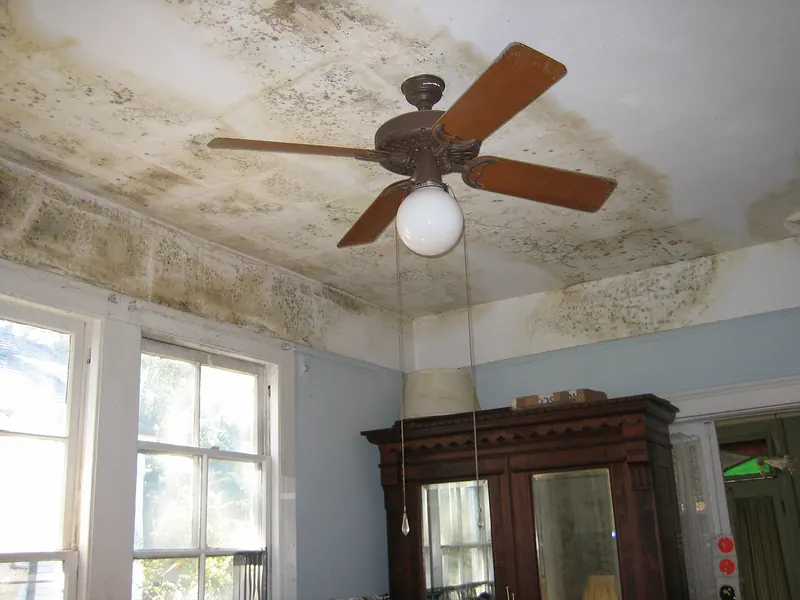
Ceiling mold removal cleans or replaces mold-covered ceiling drywall and finds the roof leak, pipe leak or humidity problem above it.
See ceiling mold removal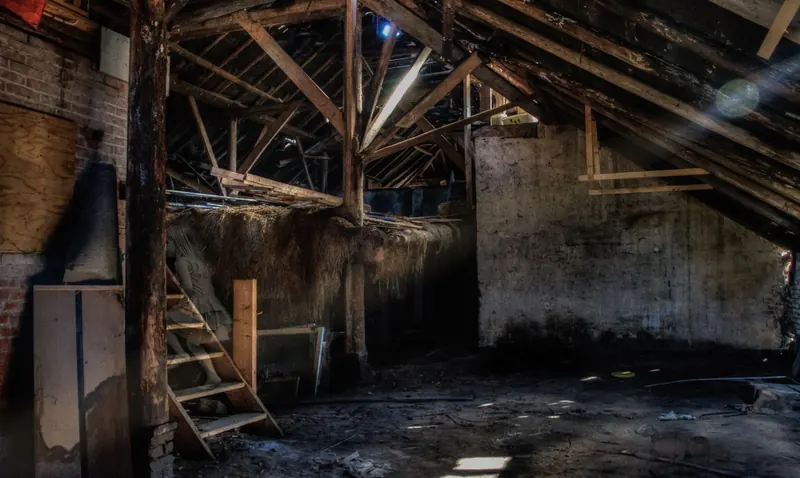
Insulation mold removal clears wet or moldy insulation from crawl spaces, walls and attics so new material can go in after cleaning.
See insulation mold removal
Mold after a roof leak is cleaned from the ceiling, attic and walls the leak reached, once the leak source is found.
See mold after a roof leak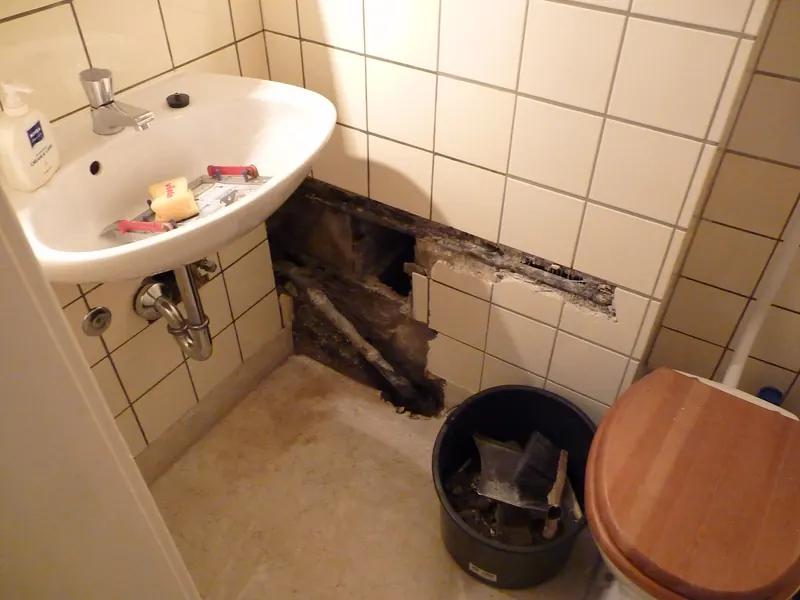
Cabinets, flooring and walls left damp by either a slow drip or burst pipe receive mold removal after a plumbing leak.
See mold after a plumbing leak or burst pipeYou should note stains, musty odor and any plumbing, roof or window leak. You can check skirting, cabinets, floor registers, ceiling edges and accessible spaces below the floor without touching the growth. A mobile home mold inspection can add moisture readings and controlled cavity access when findings support it.
Mold growth requires moisture. Possible sources include wet insulation and high humidity, plus roof, window or plumbing leaks, condensation and ground moisture. Correct the moisture source promptly because surface cleaning cannot prevent growth from returning within a damp ceiling, floor or wall assembly.
Contain the area prior to disturbing any materials. Moldy panels and wet insulation may be removed and bagged. Use damp wiping and HEPA methods to fully clean non-porous surfaces and framing that remains sound. You should dry materials and fix the leak before completing repairs.
Maintain relative humidity at 30 to 50 percent when possible and below 60 percent, repair leaks, and dry water-damaged items within 24 to 48 hours. Maintain your ventilation and drainage along with the skirting and vapor barrier. Direct repair of the leak source is still needed when you use a dehumidifier.
General mold remediation costs $1,500 to $9,000 according to Fixr, with professional work over about 10 square feet listed at $10 to $30 per square foot. This property type has no separate nationwide range. Material removal and access through the underbelly may alter the scope.
Whether you are covered depends on your policy and water source. Mold following a covered sudden event may qualify. Long-term leaks and neglected maintenance may be excluded. Check the documentation requirements along with your deductible, mold sublimit and cause. A landlord or tenant should also check the lease.
Get calm, practical guidance about mobile home mold removal, with calls answered 24 hours a day.