
Mold Remediation
The mold remediation process isolates the affected area, clears and cleans mold growth and then addresses the cause of the moisture.
See mold remediationGet a home mold removal plan near Century City for materials in an occupied home.
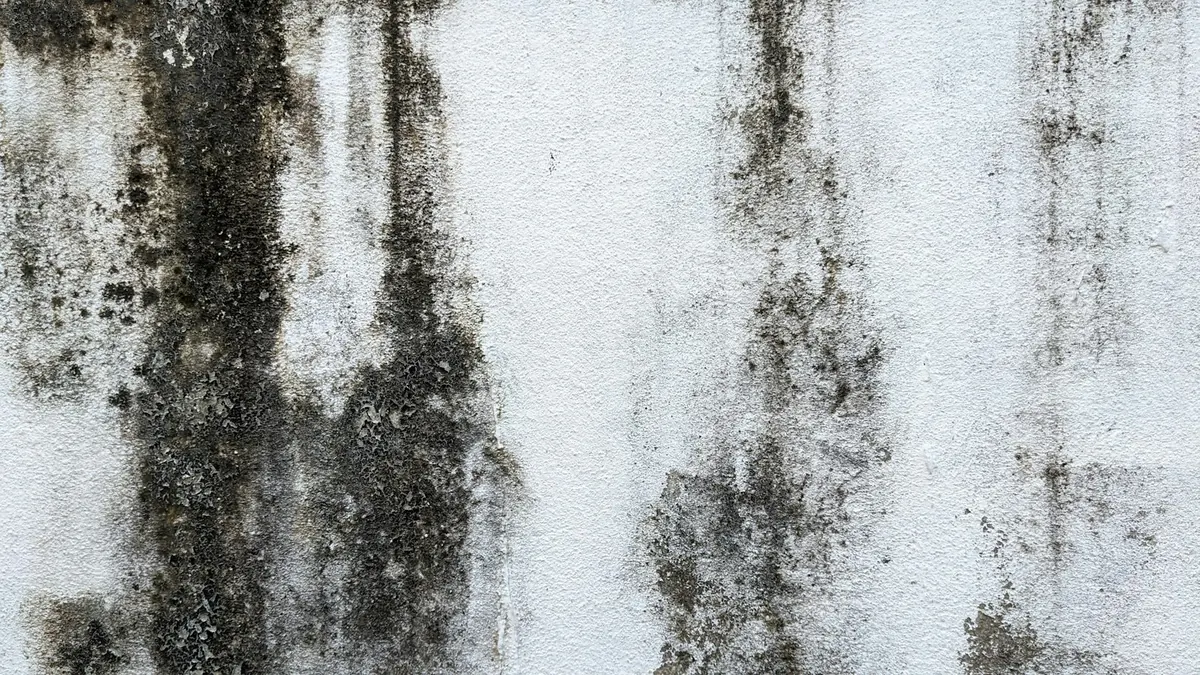
Once the moisture issue is fixed, residential mold removal cleans up the growth.
Home mold removal can cover a single-family home, attic, or a basement, crawl space or other lower level. Inspection locates affected materials.
Residential mold remediation may use drying equipment and HEPA filtration, establish containment, and demolish materials that are damaged. The written work scope lists repairs and rooms.
Mold spores exist in nature. Fixing the moisture and creating a dry, clean area are the goals.
Have clearance testing completed by an independent assessor.
The scope should identify rooms, removal, cleaning and repairs.
Ask whether you can stay inside and how barriers and negative air pressure will work.
Request an explanation of how they will confirm dry materials and the source.
Added care is needed for hidden growth, contaminated water and HVAC systems:
Damp materials can be located with a moisture meter. A thermal imaging camera does not identify mold growth.
Leave affected equipment off. Running the equipment could spread mold around the building, EPA says.
The mold's color does not indicate risk. Give attention to area size, exposure and moisture.
An odor, damp drywall or dark spots can signal moisture.
Prevent disturbance, document what you see, and stop the water safely:
Call (844) 352-3560General mold remediation is the closest published guide. For work over about 10 square feet, Fixr lists $1,500 to $9,000 and $10 to $30 per square foot. This Old House credits Angi for its $1,200 to $3,750 listed range. The figures are not home quotes.
The figures are published national cost guide ranges, not results of a property visit. Following an on-site assessment, the property price should be explained to you before any work begins.
Ask about cost: (844) 352-3560A covered sudden water event may make mold eligible for insurance coverage. Policies often exclude humidity that recurs and leaks that continue long term. A mold sublimit may apply.
California's Toxic Mold Protection Act includes a landlord written-disclosure section (Health and Safety Code 26147). By its own wording it applies only after the state adopts mold exposure standards, and the state health department has said it could not set them. Keep the scope, photos and verification.
Under California's housing law, visible mold found by a health officer or code enforcement officer can make a rental substandard. Renters can contact their local health or code enforcement department to ask for an inspection. Condo owners should check association documents.
Insurance can distinguish a burst pipe from a slow leak.
Ask which records, cause, deductible and mold sublimit apply.
The moisture source determines the appropriate remediation protocol.
A mold inspection includes checks of moisture and site conditions. Air sampling should address a question that is clear.
Nearby rooms are protected with plastic and negative air pressure.
The cleanup crew prepares a plan for belongings, equipment and debris removal.
Particles from drywall removal and other disturbance are controlled with a HEPA air scrubber.
Porous materials might need removal. Sound surfaces might need sanding or a HEPA vacuum.
A dehumidifier used with air movers helps drying. Address the original source of condensation or leaking water.
An independent assessor should judge post-remediation verification and clearance testing.

Phone at any hour. Your call reaches a residential mold removal specialist who hears your concerns and explains the process ahead.
Porous materials, airflow, and contaminated water require special care during house mold removal.
Surface cleaning does not dry cavity insulation. Before repairs, check moisture.
Mold can trigger allergy and asthma symptoms in some people.
Containment and a HEPA air scrubber help control particles.
Can you clean it yourself? EPA says renters and homeowners can often clean areas measuring under about 10 square feet. Professional help is called for with larger growth, contaminated water or HVAC involvement.
Some sound materials can be cleaned. Removal may be necessary for moldy, porous ones.

The time required varies with access, containment, drying, and any growth that remains hidden.
A smell can signal hidden mold without showing you its location. Find the moisture source rather than masking the odor.
EPA recommends keeping indoor relative humidity under 60 percent, while 30 to 50 percent is ideal. Repair leaks directly.
The full residential mold removal guide covers what is cleaned or removed, odor and air quality work, and the rules that apply in your state.
Read the full residential mold removal guidePlanning for moisture control, containment and mold cleanup can be influenced by local humidity, housing and property access.
For a home in the Century City neighborhood, a musty odor or stain should be traced through connected materials before the visible surface is cleaned.
Your property needs a moisture-specific plan that follows the leak into nearby walls, floors, ceilings, insulation, or framing before removal limits are set.
Ask on the phone about mold cleanup for nearby ZIP codes and communities.
The mold remediation process isolates the affected area, clears and cleans mold growth and then addresses the cause of the moisture.
See mold remediation
During mold cleanup, affected surfaces and materials are cleaned, damaged items are bagged and the area is made ready for repairs.
See mold cleanup
Another term for mold removal is mold abatement, which involves isolating the space before taking out contaminated materials.
See mold abatement
For black mold removal, the area around dark mold growth on drywall or wood is contained before affected material is removed.
See black mold removal
When you cannot see growth within walls, under flooring or beyond a ceiling, hidden mold remediation finds and removes it.
See hidden mold remediation (behind walls)
Removal comes before repairing or replacing the flooring, insulation, drywall and other materials during mold damage restoration.
See mold damage restoration
A mold inspection is combined with removal so workers can locate the growth before cleaning it away.
See mold inspection and removal
This overview of mold removal cost explains the effect of area size, involved materials and any repair needs.
See mold removal costLook near plumbing and windows for leaks or a musty odor. Inspect exterior walls, HVAC equipment, attics, a basement, crawl space and other lower level for damp materials, stains and visible mold growth. A home inspection can add moisture readings and focused openings. Although home mold testing can help address a clear question, you still need to locate moisture.
Available figures that offer the nearest comparison address general mold remediation. Fixr lists professional projects over about 10 square feet at $10 to $30 per square foot and $1,500 to $9,000 overall. Access, affected materials, containment, drying, repairs and verification all influence the total cost.
Coverage depends on the policy and moisture cause. If a sudden and accidental event is covered, resulting mold might also be covered. Policies commonly exclude leaks that continue long term, recurring humidity and maintenance neglect. Confirm the records you need, mold sublimit and deductible before any affected materials are taken out.
For larger areas, contaminated water or HVAC involvement, look for mold cleanup experience and ask about containment, protective equipment, HEPA filtration, material removal and drying. When you need clearance testing, choose an independent assessor rather than the removal company.
Fix leaks and act quickly when new water appears. EPA guidance says to dry water-damaged areas and items within 24 to 48 hours to prevent mold growth. Indoor humidity should remain below 60 percent and ideally from 30 to 50 percent. Recurring odors, moisture stains and condensation need investigation.
The answer varies with the containment location, any HVAC involvement, the rooms you use and the people living at home. Ask about control of air movement and the areas you cannot enter. Access requires careful planning for higher-risk people with asthma or lung disease, and those with weak immune systems.
For calm and useful guidance about residential mold removal, you can reach someone by phone 24 hours a day.